

Health Beyond The Classroom: Kampala University Champions Holistic Wellness At Ggaba
Staff and students access medical services and donate blood as Prof. Kateregga champions care for the body, mind and spirit
Ggaba Main Campus | 16 October 2026
Kampala University brought healthcare closer to its staff and students on 16 October 2026 through a Wellness Day that combined medical testing, screening, treatment, blood donation and physical exercise with a call for responsible living.

Held at the University’s Main Campus in Ggaba, the event highlighted the importance of prioritising health alongside academic and professional responsibilities. It also provided an opportunity for the University community to engage directly with healthcare practitioners and receive a range of services at one venue.
The initiative was organised by the Human Resource Directorate, headed by Ms. Aidah Naisanga, with medical practitioners drawn from Mulago Hospital, Naguru Hospital, Kawolo Hospital and Kampala University’s School of Nursing and Health Sciences at Mutundwe Campus, alongside participation from the Red Cross.
The Chief Guest, Owek. Amb. Al-Haj Prof. Badru D. Kateregga, the Founding Vice-Chancellor of Kampala University, called for a holistic approach to wellness encompassing physical, mental, social and spiritual health.
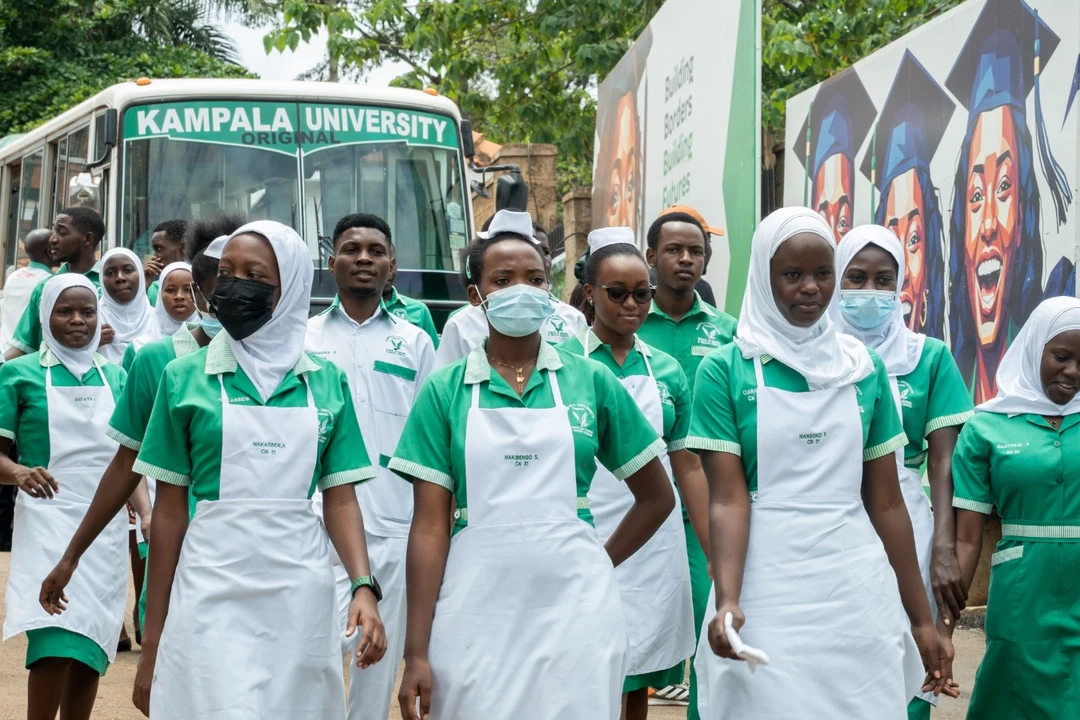
The event was also attended by Ms. Rashida Kateregga, the Resident Director and Vice-Chairperson of the University’s Board of Trustees, demonstrating the leadership’s commitment to staff and student well-being.
Comprehensive healthcare within reach
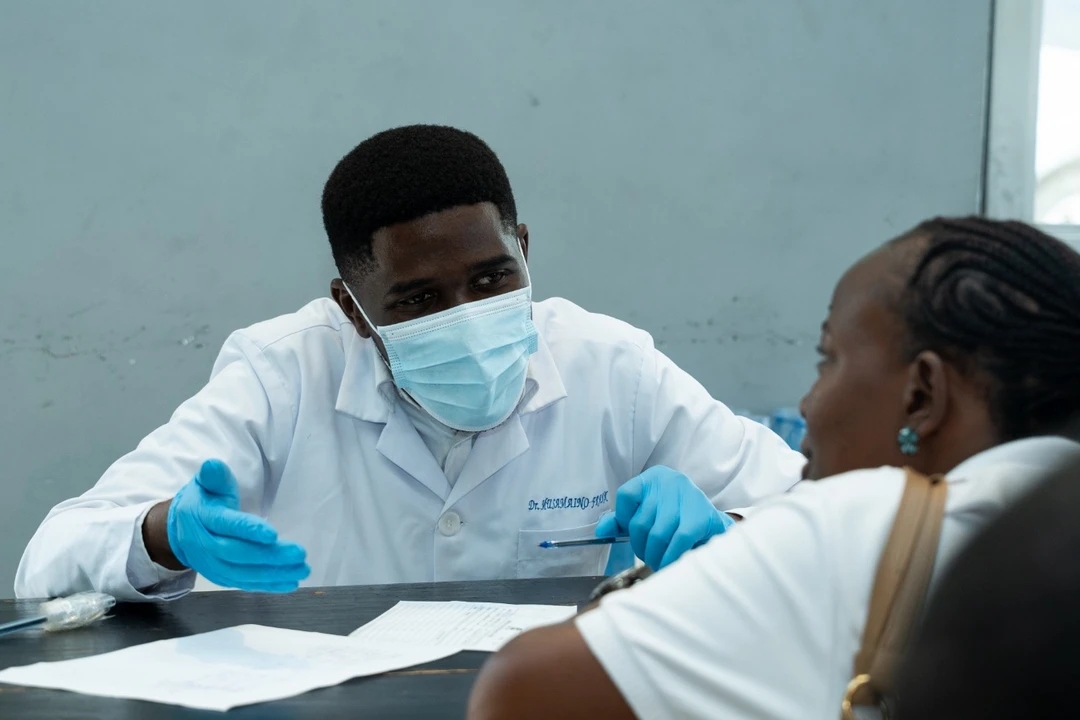
Participants accessed HIV testing, tests relating to ulcers, typhoid and malaria, blood glucose testing, and prostate cancer screening. Eye screening was provided, with glasses supplied to those who needed them.
Dental services included tooth extraction, simple fillings and teeth cleaning. The programme also offered nutrition assessment, attention to bone and joint concerns, and aerobics, bringing clinical care and physical activity together.
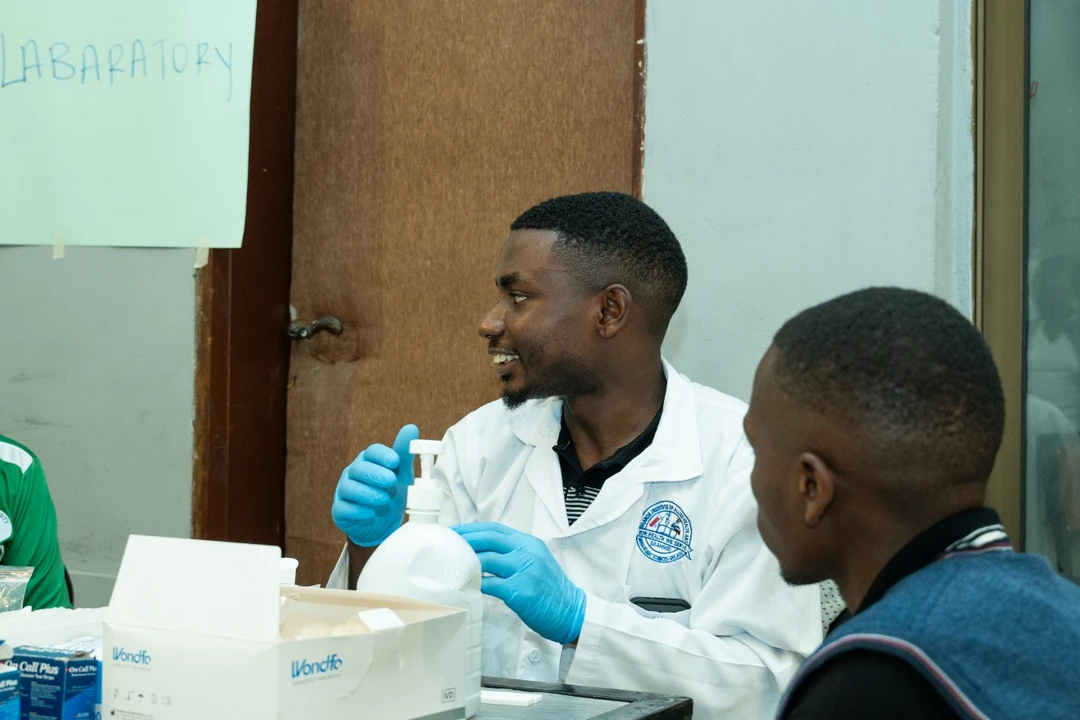
Blood donation added a further dimension of community service, giving participants an opportunity to support the health needs of others while attending to their own well-being.
The involvement of hospital practitioners, the Red Cross and the University’s School of Nursing and Health Sciences strengthened the connection between campus life and healthcare services. It also highlighted the contribution of the Mutundwe-based School to the welfare of the wider University community.
A call for responsible living and compassionate support
Addressing participants, Prof. Kateregga emphasised that wellness requires attention to the whole person. He encouraged staff and students to make informed decisions, adopt healthy lifestyles and seek professional medical guidance.
He also encouraged students to enjoy music, recreation and social activities responsibly, recognising their contribution to a balanced university experience. His message linked personal enjoyment with responsibility and care for one’s overall health.
Prof. Kateregga urged the University community to take precautions against preventable diseases, including HIV. Alongside this message, he emphasised that people living with HIV deserve support and encouragement and can lead fulfilling lives through proper treatment and professional guidance.
His remarks reinforced the importance of compassion, reminding participants that community well-being also depends on how people care for and support one another.
Giving spiritual wellness a place
Prof. Kateregga further stressed that spiritual wellness deserves attention alongside physical health. He encouraged students to nurture their faith and remain mindful of the values guiding their decisions.
He proposed a dedicated space for spiritual awareness during future University wellness camps, explaining that this would help address the different dimensions of well-being more fully.
The proposal reinforced his wider message that wellness should receive continuing attention in everyday life, with care extending to the body, mind, relationships and spiritual needs.
The combination of medical services, blood donation, nutrition assessment and aerobics gave practical expression to the day’s central message: caring for health is both a personal responsibility and a shared community concern.
By Ssekatawa Julius
P.R.O Kampala University