
Kampala University Advances Digital Learning as Lecturers Turn Out in Full Capacity for Training
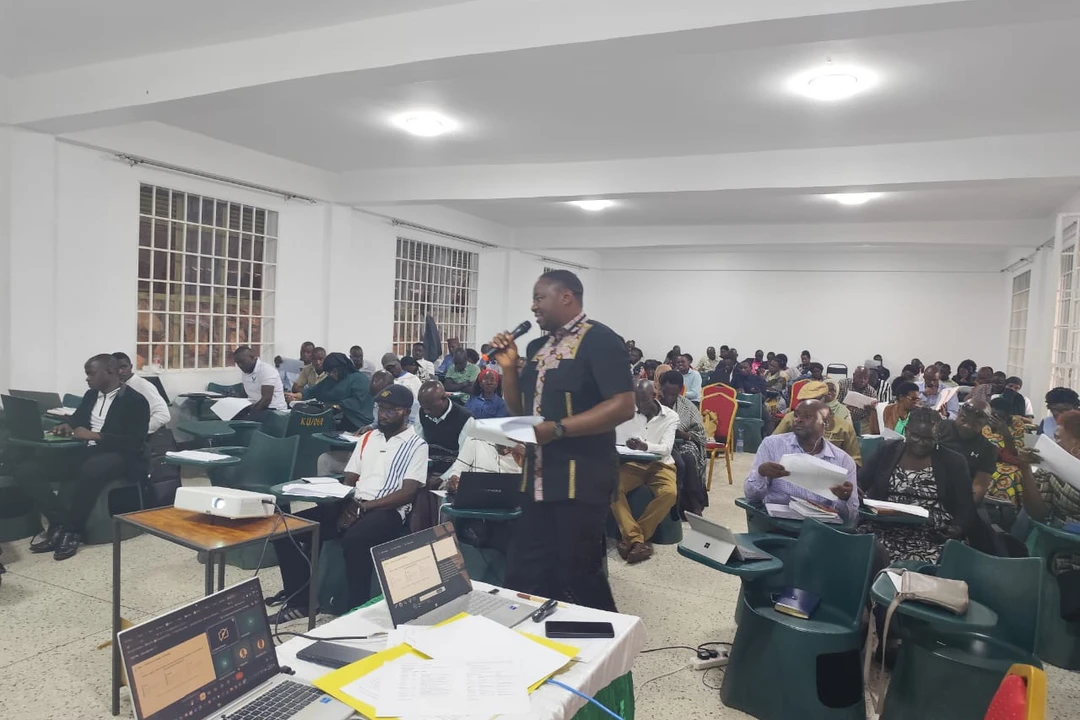
Kampala University has taken a major step towards expanding digital teaching and learning following a successful, full-day e-learning training that drew a capacity turnout of lecturers at Mutundwe Campus on Friday, 2 October 2026.
The training, which began at 8:30 a.m., prepared lecturers for the University’s adoption of online and blended teaching. It formed part of preparations for the Tanzanian In-Service Group to commence online studies on 5 October 2026, alongside plans for other in-service groups, regular students and weekend students to adopt a blended learning approach.
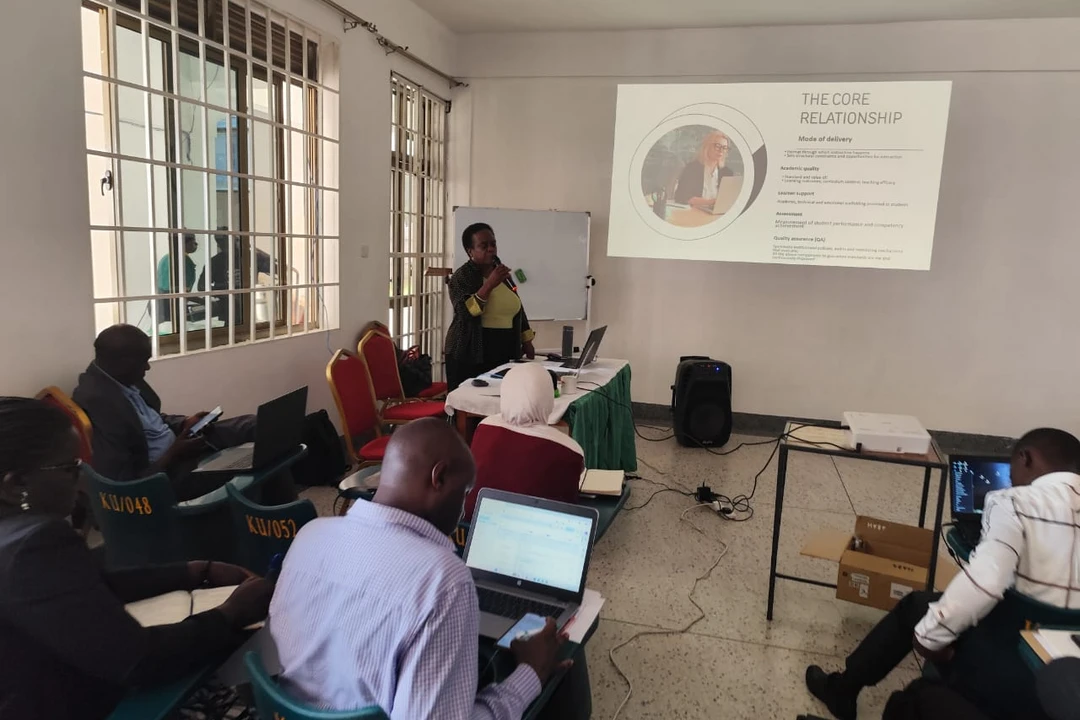
Addressing the participants, Deputy Vice-Chancellor Dr. Mabol Nkwatih urged lecturers to embrace e-learning as a lasting development in higher education. He encouraged them to engage with artificial intelligence and digital platforms to remain relevant in a rapidly changing educational environment.
His message highlighted the need for lecturers to adapt their teaching practices as technology creates new ways of delivering education and engaging students. The University’s transition places digital competence at the centre of its preparations for a more flexible teaching and learning model.
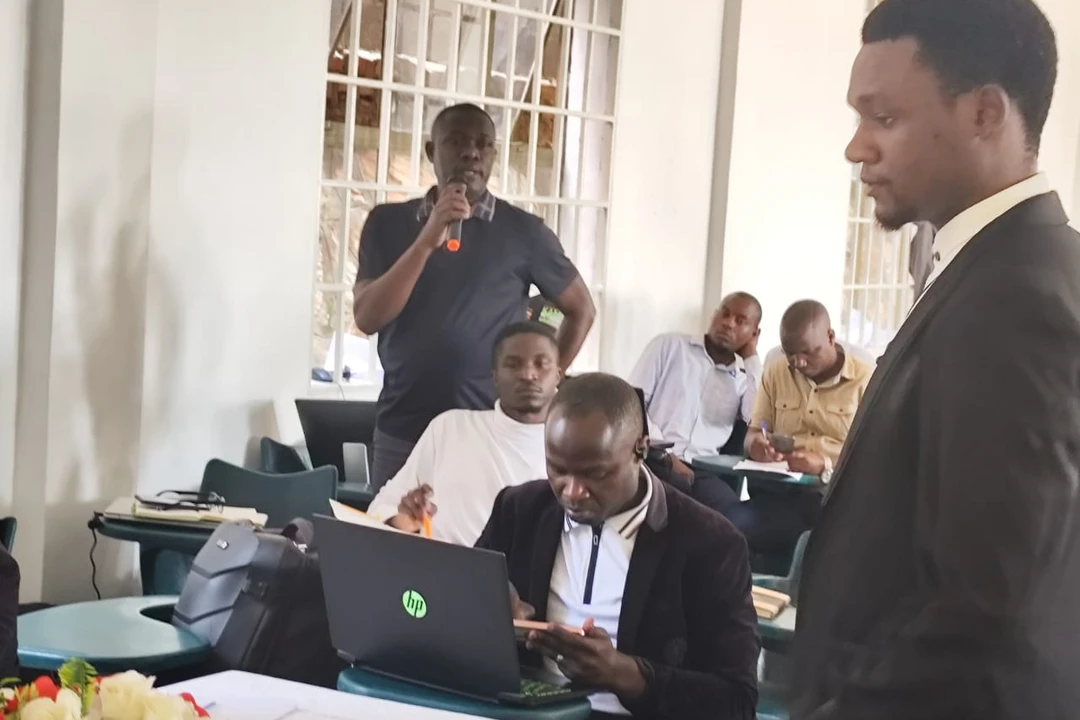
The Director of E-Learning, Mr. Pius Mulumba, assured participants that the University’s platform is user-friendly and encouraged lecturers to embrace it. His remarks reinforced the importance of building confidence in the system as staff prepare to incorporate online tools into their teaching.

The day-long programme brought lecturers together to prepare for the implementation of the new approach. The capacity turnout demonstrated strong participation in an initiative that will shape teaching across the University’s different study programmes.
Participation in the training was mandatory, reflecting the University’s commitment to preparing its teaching staff for the transition. Lecturers were required to complete the designated training modules, with Certificates of Completion to be awarded to those who successfully fulfil the requirements.
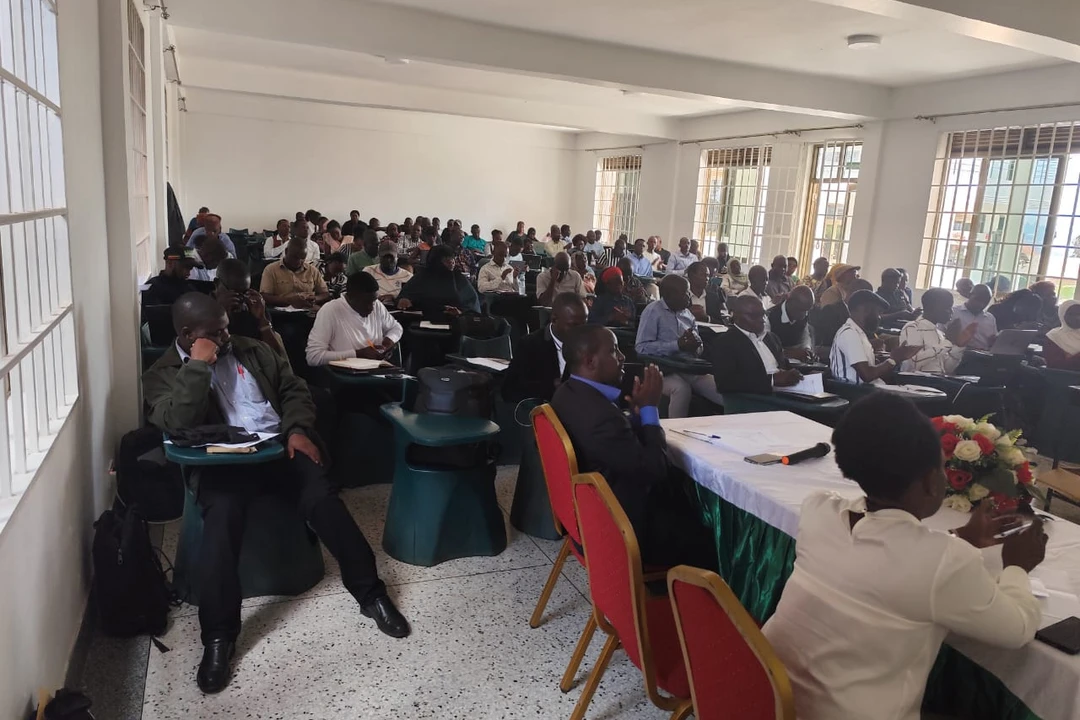
School deans, heads of department, school coordinators, campus directors, assistant academic registrars and campus administrators were tasked with mobilising lecturers from their respective units. This coordinated effort supported attendance and underlined the shared responsibility for implementing the new teaching model.
By Ssekatawa Julius
Public Relations Officer, Kampala University