
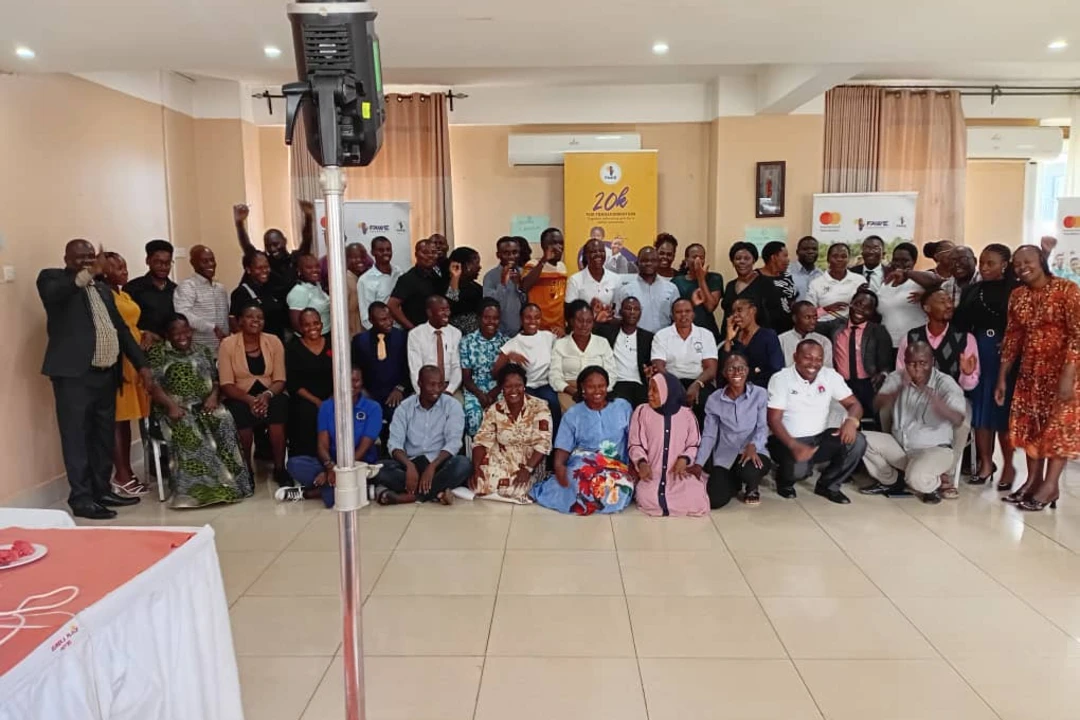
Kampala University Strengthens Student Empowerment Through FAWE-TUSEME Training
Kampala University has taken a significant step towards strengthening student empowerment, participation and wellbeing following its successful participation in a four-day Training of Trainers (ToT) workshop on the TUSEME Model, organised by the Forum for African Women Educationalists (FAWE) Uganda.
The training was held from 8th to 11th September 2026 at Eurak Palace Hotel, Kampala, bringing together 54 participants from institutions of higher learning across Uganda. Kampala University was represented by a four-member delegation comprising Dr. Ssimbwa Peter, Deputy Academic Registrar and Head of Delegation; Mr. Ssekatawa Julius, Public Relations Officer; H.E. Nakabugo Leotinah, Guild President; and Ms. Amoit Miriam, FAWE-Sponsored Student and Students’ Coordinator.
TUSEME, a Kiswahili word meaning “Let Us Speak Out,” is a student-led empowerment model that enables young people to identify, analyse and address challenges affecting their academic, social and personal development. The approach encourages students to speak out about issues affecting them, identify possible solutions and take practical action in collaboration with university leadership and other stakeholders.
During the training, the Kampala University delegation acquired knowledge and practical skills in youth empowerment, gender responsiveness, safeguarding, Gender-Based Violence (GBV) prevention, mental health, bullying, life skills and the formation and management of TUSEME Clubs. Participants also engaged in practical exercises covering gender dynamics, institutional planning, theatre and creative performances, stakeholder engagement, data collection and analysis, as well as monitoring and evaluation.
A key component of the training was the TUSEME process, which guides students through identifying challenges, analysing their root causes, speaking out through creative approaches, developing solutions, preparing action plans, engaging stakeholders, taking action and monitoring the results. The model therefore provides students with structured opportunities to participate actively in addressing issues that affect their education and wellbeing.
The training further recommended the establishment of TUSEME Clubs within participating institutions. At Kampala University, the proposed clubs are expected to provide structured platforms through which students can develop leadership and communication skills, promote positive gender relations, discuss challenges affecting their academic and social development, engage University leadership and participate in activities that promote student wellbeing and empowerment.
Following the training, the Kampala University delegation recommended the development of a University TUSEME implementation work plan, establishment of TUSEME Clubs, creation of a coordinating team, awareness sessions for students and staff, integration of TUSEME activities into relevant student development programmes, strengthened collaboration with FAWE, and establishment of mechanisms through which students can safely speak out about challenges affecting them.
The training has provided Kampala University with practical knowledge and approaches that can support student participation, empowerment, gender responsiveness, safeguarding and life-skills development. The University is encouraged to translate the knowledge acquired into practical institutional activities through the establishment of TUSEME Clubs, implementation planning and continued engagement with relevant stakeholders.
By Ssekatawa Julius Abubakar
P.R.O, Kampala University